

Self-Kindness - Body Scan Meditation
By Debbie Wyer on 13 February 2026
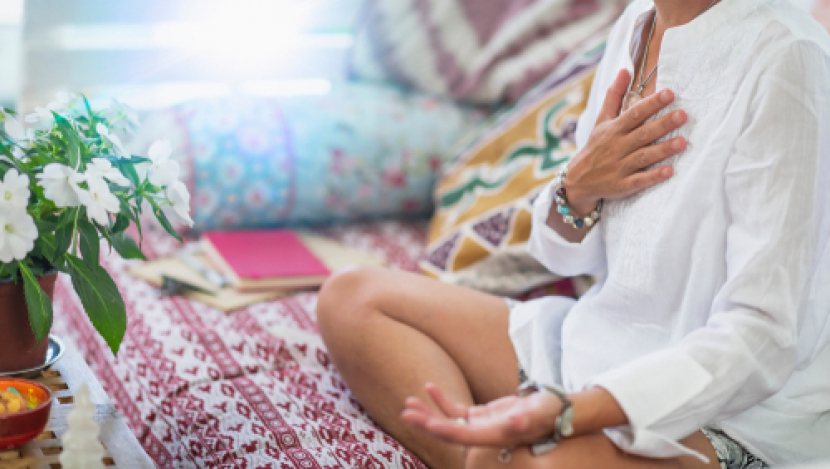
How often do you only notice your body when something hurts? Perhaps you wake up feeling stiff, your shoulders are tight after a busy day, or you simply feel exhausted and disconnected from yourself.
It's easy to become frustrated when our bodies don't behave the way we want them to. We often respond by pushing harder, ignoring the signs, or criticising ourselves for feeling stiff, tired, or uncomfortable.
But what if there was another way?
Self-kindness invites us to approach our bodies with curiosity rather than judgement, listening instead of pushing, and supporting rather than criticising. It's a simple shift in mindset that can have a profound effect on both our physical and emotional wellbeing.
True kindness towards your body isn't complicated, but it does require intention.
It might look like:
- Allowing yourself to rest without feeling guilty
- Making time for gentle movement instead of constantly pushing through
- Supporting your fascia and nervous system with hydration and mindful breathing
- Taking a few moments each day to notice what your body is trying to tell you
The Mind and Body Are Closely Connected
Research continues to highlight the close relationship between our emotions, the nervous system, and our physical wellbeing. Stress, pressure, and self-criticism don't simply stay in the mind, they often show up in the body as tension, holding, fatigue, or discomfort.
One of the most rewarding things I've observed, both personally and through teaching Pilates, the MELT Method®, and meditation, is how self-kindness influences not only the way we move, but also how we feel.
When we approach ourselves with less judgement and more curiosity, our bodies often become less tense, our breathing softens, and it becomes easier to find a sense of calm.
Less Judgement. More Awareness.
When we move with thoughts such as:
"I'm so stiff."
"I should be better at this."
"Why can't I do what I used to?"
our bodies often respond by bracing, guarding, or working much harder than they need to.
When we replace judgement with kindness, something begins to change.
In Pilates and the MELT Method®, slowing down, reducing effort, and allowing ourselves to pause often leads to better coordination, greater body awareness, and more comfortable movement. Rather than forcing change, we create the conditions for the body to respond naturally.
The same principle applies in meditation.
Instead of trying to empty the mind or "do it perfectly", meditation invites us to simply notice what is present, our thoughts, emotions, and physical sensations, with kindness and acceptance.
There is nothing to fix and it doesn’t matter how many times your mind wanders.
Meeting Yourself Where You Are
Whether you're practising Pilates, MELT, or meditation, the invitation is always the same:
Meet your body where it is today, not where you think it should be.
Some days you'll feel energised. Some days you'll need to slow down. Some days your body will simply ask for a little more patience and compassion.
Every experience offers valuable information if we're willing to listen.
It's no surprise that one of my favourite Pilates sayings has always been "Less is more." That same philosophy runs through MELT and meditation too. Gentle, consistent practices often create the greatest and most lasting changes, helping us feel calmer, more connected, and better able to thrive.
Try a Gentle Body Scan Meditation
As part of Self-Kindness Month, I'd love to invite you to try a short Body Scan Meditation.
This gentle mindfulness practice encourages you to slow down, reconnect with your body, and notice what you're feeling without judgement or the need to change anything.
Whether you're feeling tense, mentally busy, overwhelmed, or simply in need of a few quiet moments, a body scan meditation offers an opportunity to pause, breathe, and reconnect with yourself.
Sometimes, the kindest thing we can do isn't to push harder.
It's simply to listen.
At Debbie Wyer Pilates, you’ll find thoughtful movement, expert guidance and a welcoming space to help you feel stronger, more comfortable and more confident in your body — through Pilates, MELT, meditation and wellbeing.
Latest Blog Posts
- Lower Body Compression - Back Thigh, Calf & Inner Thigh 02 October 2026
- Back to Basics: How Breath, Sound and Subtle Movement Help Us Connect With Our Body 24 September 2026
- Taking MELT to CarFest: What an Incredible Weekend 10 September 2026
Useful Links
2026 © All Rights Reserved. Powered by V-Healthy. Privacy Policy | Terms of Service